
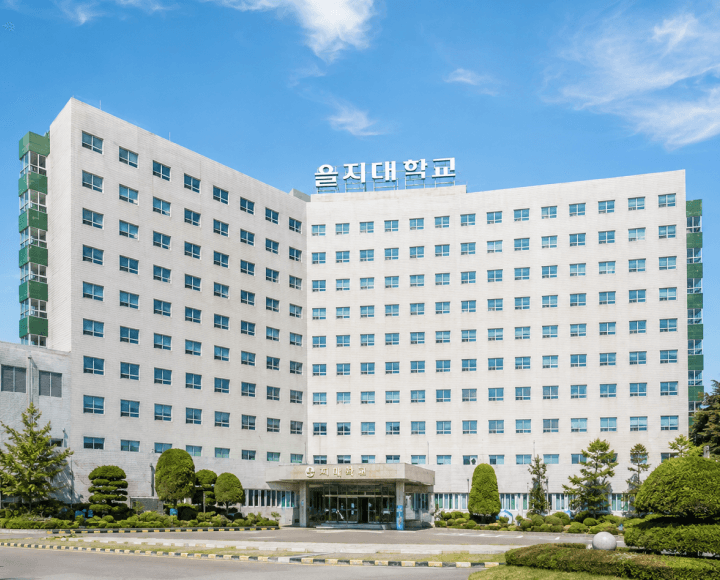

을지대학교병원/캠퍼스 연구자를 위한 논문 영문교정·학술번역 서비스 (개인 결제)
워드바이스(에세이리뷰)는 을지대학교병원/캠퍼스 논문교정 협약업체입니다. 기관 할인가로 원어민 전문가의 영문교정 및 학술번역 서비스를 24시간 365일 이용하실 수 있습니다.
OUR PARTNERS
파트너 및 고객사
17만 명 이상의 고객과 24만 건 이상의 첨삭 경험으로 세계 명문대 합격과 해외 유수 저널 게재 성과를 만들어왔습니다.




























CLIENT REVIEWS
추천사 및 고객 리뷰

Instructions: AMA style
Participants and Study Design
A total of 45 healthyforty-five adult participants with good health, including 23 women and 22 men ranging in aged from 21 to 64 years, were recruited from the local community through flyers, using fliers and online advertisements, and institutional mailing lists. Eligibility criteria required the absence of any The participants were included if they had no history of a neurological or psychiatric disorders, no contra-indications for to MRI (including metallic implants or scans like metal implanting or claustrophobia), and no current use of if they were not taking doses of any psychoactive medications at the time of participation. when they participated. All of the participants provided signed written informed consent, forms and the study protocol was approved by the Institutional Review Board of at XX University. To minimize physiological variability and enhance the reliability of imaging outcomes, Also, participants were instructed to abstain from asked to avoid caffeine, alcohol, and strenuous physical activity or stressful exercise for 12 hours prior to scanning. for twelve hours before the scan to reduce variation and make the scan results more reliable. Cognitive function was assessed using the Mini-Mental State Examination (MMSE), with all participants Participants also completed the MMSE, achieving scores ≥of 28. or above, In addition, and a general health screening was conducted to confirm eligibility and to exclude any potential see if there were no confounding medical health conditions that could influence affect the brain measurements. (1–,2,3).
MRI Acquisition, Processing, and Preliminary Results
Magnetic resonance imaging (MRI) data were MRI data was acquired through using a 3.0-T 3-Tesla Siemens Mmagnetom Pprisma system equipped with a with an 64-channel head coil. High-resolution structural images were obtained using a standard T1-weighted magnetization-prepared rapid gradient-echo (MPRAGE) and standard T1-weighted MPRAGE sequence with the following parameters: repetition time (TR), 2300 ms; (TR=2300 ms; echo time (TE), 2.98 ms; TE=2.98 ms; inversion time (TI), 900 ms; TIi=900 ms; flip angle, 9°; flip-angle 9 degrees; field of view (FOV), FOV 256x × 256 mm2; and isotropic voxel size 1 × x1 × x1 mm3). Image preprocessing was performed using Then we pre-processed the images using FreeSurfer version 7.1, which and included: skull stripping, tissue segmentation, and cortical surface reconstruction., and Qquality control procedures were conducted by was done by two independent raters, and datasets exhibiting significant scans that had various motion artifacts or segmentation errors were excluded. exclusion of the data. Following this process, After, 3 participants were excluded at this stage, resulting in a final analytic making a final analysis sample of 423 participants.
The focus of Ppreliminary analyses focused on bilateral was on cortical volumes within the in prefrontal and temporal lobes bilaterally. The mean Mean prefrontal cortical volume was 194.3 ± 13.8 cm3, whereas the mean and temporal lobe volume was 168.5 ± 12.4 cm3. Variability was observed in We found some varibility in prefrontal cortical volumes across participants, whereas while temporal lobe volumes were relatively consistent. was greatly similar. A general linear model adjusted for that controled for the participants age and sex indicated a modest association suggested a small relationship between prefrontal cortical volume and age (analysis of variance [ANOVA]: ANOVA F = 3.12; pP = 0.054)⁴,⁵,⁶,³ ).3–6 Tand these preliminary findings suggest that results indicate that some standardized high-resolution high-res MRI protocols are capable of detecting interindividual can accurately detect differences between individual patients in cortical structure, and it may be useful for future studies that study and may provide a useful framework for future investigations in clinical populations, includinge individuals patients with neurological or psychiatric disorders.
References
[1]1. Smith R.J. (2018). Neurological screening protocols and MRI eligibility criteria in healthy adult cohorts. Journal of Neuroimaging Res.earch, 2018;14(2):, 88-103. doi: 10.1016/j.jnr.2018.01.007
[2]2. Brown, A.K., Choi, S., Park, J.Y,. et al. Cortical volume variability and age-related decline in prefrontal regions: a cross-sectional MRI study. Neuroimage Clin. 2016;22(4):401-–416. https://doi.org/doi:10.1016/j.nicl.2016.04.002.
Instructions: IEEE formatting
III. System cChallenges and dDesign fFramework
Reliable signal transmission of signals and accurate perception are the mainremain significant challenges in modern wireless communication systems, especially particularly in next-generation mobile networks, Internet Oof Things (IoT) environments, and low-latency edge computing scenarios. Real,-world deployments cases are usually highly diverse and can causeoften introduce severe interference, where. Consequently, communication systems must operate under challenging constraints like, including multipath fading, low signal-to-noise ratios (SNR < −5 dB), and limited labelled training data, in addition; these kind of challenges. These factors significantly degrade system performance and also can hinder robust signal interpretation forin complex environments, therefore. To address these challenges, this study looks atinvestigates two mainkey technologies targeting both 2D signal representations (i.e., time-–frequency analysis) and high-dimensional channel state information: (CSI): (1) adaptive signal detection in noisy channels and (2) sparse channel state reconstruction, which are both very important. These approaches represent critical and relevant topics in the fieldresearch directions for improving reliability and efficiency in advanced wireless communication systems.
VI. Methods and pPerformance eEvaluation
First, an adaptive signal detection framework is proposed for interference-rich wireless environments are proposed in this paper. A lightweight feature extraction module was designedis developed to make capturinge complex signal distributions and enhance weak signal components, alongside. In addition, a multi-scale- feature aggregation mechanism and is incorporated to improve representation across different resolutions, while a context-aware filtering module to avoid intereference and improve themitigates interference and enhances boundary discrimination for boundaries. The overall architecture of the proposed detection framework is shownillustrated in FigureFig. 2, which displays the overall structure of the full system design. Experimental results on benchmark communication datasets demonstrates that the proposedal method improves detection accuracy by 6.8 % in under low-SNR conditions compared to baseline models, with. Furthermore, false alarm rates are reduced from 12.4% to 7.1%, and the framework achieves a mean detection latency of 3.2 ms [1], [2].
Second, a local-–global feature fusion framework is developed for sparse channel reconstruction is developed to address incomplete and irregularly sampled channel state information (CSI). The proposed model usesemploys hierarchical feature learning combined with a global attention mechanism and an adaptive fusion strategy enabling. This design enables efficient reconstruction under limited data availability and partially observed channel conditions and in situations where data may not be completely available or complete. Experimental evaluations shows: that, even with only 5% of channel samples available, the proposed approach givesachieves a normalized mean squared error (NMSE) of -−18.3 dB and aimproves reconstruction accuracy improvement of by 3.1% better thancompared to existing methods, while . Additionally, computational overhead is reduced by aroundapproximately 22% relative to comparable deep- learning baselines [3], [4], []–[5].
References
[1] J.-H. Kim, and S. Park, "Adaptive signal detection in low-SNR wireless environments using multi-scale feature aggregation," IEEE Trans. Wireless Commun., vol. 21, no. 3, pp. 1842-–1855, 2022.
[2] C. Wang, Y. Zhang, and L. Chen, "Sparse channel state reconstruction under limited sampling conditions for next-generation networks," in Proc. IEEE Global Communications Conference (GLOBECOM), Madrid, Spain, 2020, pp. 1–6, 2020.
Instructions: APA style
Study Design and Participants Selection
This study uses adopts a mixed-methods design to examine investigate the question “ how do Confucian cultural values influences Korean university students’the adoption and perceived social utility of artificial intelligence (AI)-based mental health support tools among Korean university students”. Korean youth represent a particularlyspecifically relevant population because they combinegiven the coexistence of high digital literacy with intense, overwhelming academic pressure, and persistent cultural stigma surrounding mental health help-seeking, which is a an issue of growing importancevery important and relevant topic in today’s Korean society.
We recruited A total of 214 participants for the study were recruited usingwith stratified sampling across four universities in Seoul, Busan, and Daejeon. , and aAll participantsof them provided anonymized response responsesdata for this study. Participants were eligible included for the study if they were enrolled in undergraduate or postgraduate students aged 18–-30 years, who had used at least one AI wellness application within the previouspreceding 6 six months. ParticipantsThey completed the Korean Confucian values Values inventory Inventory (K-CVI; Yoon & Lim, 2019,) and the AI mentalMental- health Health acceptenceAcceptance scale Scale (AMAS;, Jung et. al., 2022), both measured onwith a 7seven-point Likert scale.
AlsoIn addition, we conducted semi-structured interviews with 28 of the studentsparticipants to lookexamine at qualitative quality patterns in help-seeking help behaviors and attitudes toward AI-mediated emotional support (Figure 31.). We set Statiststatistical significance was set at P p < 0.05, and reported quantitative results data was reported as means ±and standard deviation.
Figure 1
Title of Figure 1 on this Line in this Style
[insert Figure 1 here]
Confucian valuesValues, stigmaStigma, and Acceptance of AI Artificial Intelligence (AI)-based Mental Health Support Acceptance
Participants with higher scores on face-saving cultural norms reported significantly greaterThe mean AI mental mental health health acceptance acceptancescores were much higher in participants who tested higher for “face-saving cultural norms” (ANOVA F(n, n) = 8.,14, P p < 0.0010.001). The pParticipants in the high face-saving group said they are more willingreported greater willingness to use tools that use AI AI-supported tools, (M = 5.6, ±SD = 0.7) than those in compared to the low face-saving group, (M = 3.9, ± SD = 1.0). These results, which suggests that perceived anonymity reduces perception of being anonymous lowers the social risk risks usually related toassociated with disclosing releasing mental health concernsproblems in Korean culture and society. In addition, Scores for stigma stigma scores were showed a strong positive correlation positively correlated with AI acceptance (r = 0.71, p < 0.001) and a negative correlationthey were negatively correlated with preferences for human-based counseling (r = −−0.58, p < 0.001), as shown in Figure 2.
Figure 2
Title of Figure 2 on this Line in this Style
[insert Figure 2 here]
Our qualitative findings gave provide important context for understanding these patterns and help explainto understand the broader results of the study. The studentsParticipants frequently described reluctance to seekoften talked about feeling reluctant about seeking human counseling, due to because of concerns about appearingperception of being weak or burdensome by to family and peers—, and these concerns are also widely documented in prior shown in the current literature research (Kim & Park, 2020; leeLee et al., 2019; Choi, 2021). Participants consistently perceived AI tools were commonly believed as socially -safe, exactly because they do notdon’t involve direct human interactionreal humans,, operate they are outside existing social networks the human relation network, and carryhave no risk of damaging interpersonal reputations. These findings show that AI mental health tools are afunction as culturally specific and culturally meaningful entry pointselement for emotional expression in contextsamong groups where disclosingpublicization of mental concerns entails problems carries significanthigh social costs.
References
Kim, S. J., & Park, H. W. (2020). Cultural stigma, face-saving behavior, and mental health help-seeking attitudes among Korean young adults: implications Implications for digital intervention design. Journal of Cross-Cultural Psychology,. 51(6),. pp. 442–461. https://doi.org/10.1177/0022022120934172
leeLee, J. Y., Choi, M., and Kwon, S. H., & Kim, D. R., (2019). Confucian values and technology acceptance in mental health contexts: A survey study of university students in South Korea. International Journal of Human–Computer Interaction, 35(9), p.812–-830. Retrieved from https://doi.org/10.1080/10447318.2019.1574given
Instructions: Elsevier Harvard style
Cell Maintenance and Exposure Conditions
We grew hHuman skin cellfibroblasts (BJj-5ta fibroblasts) were cultured in a standard growthnutrient mediumsolution at 37 °C in a controlled, incubator environment. Cells were usmaintained at an earlylow and, consistent passage number to ensure reproducliable behavior across the experiments. Before the treatment, the cells were seededput eveuniformly into multiwell plates at a standard density and after that they were allowed to adheresettle for 24 hours before any exposure started.
Cells Wwere exposed the cells to titanium dioxide nanoparticles (TiO2-NPs;, 20 nm) at three3 concentrations: low (10 μg/mL), medium (10 μg/mL), and high (500 μg/mL) using an in vitro dose–-response model. Ultraviolet B (UVB) radiation was included asfor a comparativeson stressors at low and high doses. Ccontrol groups were maintained under the same conditions without no nanoparticle or radiation exposure. NewFresh exposure solutions were prepared atwhen each medium change, and all the treatments were administeredgiven over a 3 -days period. AllEvery experiments wereas repeaconducted in triplicate3x independently, and the results were considered statistically significant at pP < .05. Cell Mmorphology of the cells wasere also observassessed and identified usingnder light microscopy at 24- h, 48- h, and 72 -hours post-exposure, toand monitored any visible structural changes andor signindicators of cellular stress across the treatment groups. All of the experimental procedures were conducted in accordance followingth institutional biosafety guidelines, and all relevant ethical approvals were obtained before the beginning of the study initiation.
Cell Vviability and Gene eExpression aAnalysis
FollowingAfter the exposure, the amount of surviving cells viability in the groups wasere measurquantified using a standard colorimetric assay. Cell viability decreased progressively at medium and high nanoparticle concentrations, with the highestreaching at 74.6 ± 4.8 % and 51.3 ± 6.2%, respectivelyat medium and high concentrations, and at the same time,. hHigh-dose UVB exposure showresulted in the most lowest viability across all treatment groups, (48.9 ± 5.7%) as shown in (Fig. 3). Genes related to oOxidative stress-related genes were significantly upregulated at medium/ and high nanoparticle concentrations, whileand DNA- repair-related genes were downregulated withen theincreasing concentration increased (0.38 ± 0.09-fold comparedrelative to control). Inflammatory marker genes showered a significantly upregulatedincrease at low/medium concentrations but did not differ significaently different from the control at the highest concentration, consistent with the this pattern have been previously reported in vitro under conditions of severeoverwhelming cellular stress (Kim et. al., 2021;. Ppark and& Lee, 2019; Fig.ure 2).
REFERENCEeferences LIST
- Kim, J.H., Choi, S., Lee, K.M., Park, J.Y. and Yoon, H. (2021). ‘Concentration-dependent oxidative stress responses in human dermal fibroblasts following tTitanium dDioxide nanoparticle exposure: Implications for inflammatory feedback regulation’,. Journal of Cellular Toxicology and Environmental Health,. 48(3), pp. 214–-229. https://doi.org/10.1016/j.jcteh.2021.03.014.
- Park, S.J. and& Lee, B.R., (2019). ‘Ultraviolet B-induced suppression of DNA repair pathways in primary human skin cells and its relationship to inflammatory cytokine expression’,. Toxicological Science., 162(1), p. 88–101. Retrieved from https://doi.org/10.1093/toxsci/kfy289.
Instructions: APA Style
I. Introduction
CAlthough consumer debt management is a bigmajor issue in today's contemporary household finance, but the regulatory framework aboutgoverning how lenders assess borrower'sborrower risk is still not consistent. remains inconsistent. Research and policy analysis consistentlyanalyses show growingincreasing divergence aboutin how the ways financial institutions evaluate credit-worthiness, like creditworthiness, including differences in income verification standards differences, debt-to-income levelsthresholds, and credit scores; scoring practices. These variations are often justified by the local housing market conditions and the demographicsborrower demographic characteristics of the borrowers. These differences are applied with difficulty. Such inconsistencies make it difficult for borrowers to compare or anticipate, and this kind of inconsistencies creates lending criteria, creating real burdens for everyday households, making it harder for consumers and complicating efforts to identifying the mostidentify suitable credit products. BigAlthough large banks increasingly offer standardized loan products in regional markets, but at the same timeacross regions, local lenders retain strong incentives to apply institution specific underwriting criterias, creating conflictscriteria, generating tension between market-wide efficiency and localisedlocalized lending practices (Johnson, & Rodrigues, 2019; Williams, 2021).
This study addressesseeks to answer the question ": “How dodoes variation in affordability difference assessment compliance among retail lenders effectaffect household debt outcomes in regional markets"??” A total of 412 participants (N = 412) were recruited across mortgage, personal credit, and consumer installment lending sectors, which all gaveof whom provided anonymized loan-level data for yearsfrom 2015- to 2025. The survey instrument comprisedincluded 38 items adapted from the Consumer Credit Compliance Assessment Tool (CCCCAT; Harrison & Moore, 2013) and the Household Financial Vulnerability Index (HFVI; Reyes et. al., 2009), rated on a 5 point Likert scale. IBM SPSS AMOS (Version 28.0) was used to conduct structural equation modeling (SEM were performed with) AMOS 28.0, yielding acceptable model fit: χ²/df = 2.47, CFI = 0.93, RMSEA = 0.061.
II.
Background and the Structure of Affordability Assessment Rules
ThePost2008 consumer credit reform agenda after the 2008 financial crisis andreforms were designed to address fundamental failures in pre-crisis lending practices, importantlyparticularly the wide-spreadwidespread extension of mortgages to borrowers who's actualwhose ability to repay wasn’thad not been verified. Lender reliance on rising asset prices, rather thenthan borrower income, produced dangerously unsustainable levels of household debt, amplifing levels, amplifying economic damage oncewhen housing values went down. declined. In response, regulators perusedpursued a dual approach: risingraising minimum standards for income verification whilestandards and requiring lenders to document that borrowers could sustain repayments without relying on asset apreciationappreciation (Brown & Lee, 2020; Davis, et al., 2018; see Figure 2).
Preliminary analysis revealedshowed that mean compliance scores waswere M = 3.6, ±SD = 0.7 on the CCCAT, meanwhile CCCAT, while average borrower debt-to-income ratios were M = 41.3%, SD = ±8.2%. A general linear model that was controlling for lender size showedindicated a marginal association between compliance stringency and reduced default rates (ANOVA: F(1, 410) = 4.08, P= 0p = .047), with the community lenders havingexhibiting lower compliance scores but more stable default outcomes (Garcia et al., 2019; Thompson, 2022, garcia et al., 2019.)).
References
Thompson, R. K., . (2022.). Regulatory standardization and household debt outcomes: complianceCompliance stringency, default rates, and the role of community lenders in regional credit markets. Journal of Consumer Finance and Policy, 33(2). pp.), 87-–104. - https://doi.org/10.1016/j.jcfp.2022.02.009
자주 묻는 질문
영문 교정은 영어로 작성한 글의 오류를 바로잡고, 독자가 내용을 더 명확하게 이해할 수 있도록 표현을 다듬는 작업입니다. 문법, 철자, 구두점뿐 아니라 어휘 선택, 문장 구조, 어색한 표현, 문체와 가독성 등도 함께 살펴볼 수 있습니다. 다만 모든 문서를 같은 방식으로 교정하는 것은 아닙니다. 연구 논문이라면 학술적인 어휘와 문체, 전문 용어의 일관성이 중요하고, SOP나 유학 에세이라면 지원자의 의도와 목소리를 유지하면서 자연스럽게 읽히는지가 중요합니다. 이처럼 좋은 영문 교정은 단순히 틀린 영어를 고치는 데 그치지 않고, 문서의 목적과 독자를 고려해 글이 의도한 내용을 정확하게 전달하도록 돕는 과정이라고 볼 수 있습니다. 워드바이스 전문가 영문 교정 역시 원문의 의미와 작성자의 의도를 유지하면서 문법과 표현을 다듬고, 문서의 종류에 맞는 자연스러운 영어로 개선하는 데 초점을 맞추고 있습니다.
평균 경력 10년 이상의 영미권 석·박사 원어민 에디터 2,000명 이상으로 구성되어 있으며, 215개 학문 분야별로 문서 유형에 가장 적합한 에디터를 배정해드립니다.
의학·생명과학, 공학, 자연과학, 인문학, 사회과학·경영학 등 215개 세부 학문 분야를 다루고 있습니다. 전공 용어와 학술적 맥락을 이해하는 석·박사급 원어민 에디터가 교정을 진행하여, 문서 내용의 정확성을 유지하면서 영어 표현의 완성도를 높입니다.
워드바이스는 학술, 유학 지원, 취업 분야의 다양한 문서에 대해 영문 교정과 한영 번역 서비스를 제공합니다. 영문 교정 서비스 - 영어 논문 교정: 문법·학술 문체·저널 포맷까지 정교하게 교정해 저널 게재 가능성을 높여 드립니다. - 학위 논문 영문 교정: 장문의 원고 전반을 일관된 학술 톤과 포맷으로 다듬어 연구의 신뢰성을 높여 드립니다. - 학술 에세이 영문 교정: 문법·표현과 인용 포맷까지 점검해 감점 요인 없이 과제를 제출하실 수 있도록 도와드립니다. - 학업계획서(SOP) 영문 교정: 문장 구조와 논리 흐름까지 다듬어 지원자의 학문적 역량이 설득력 있게 전달되도록 해 드립니다. - 유학 에세이 영문 교정: 지원자만의 개성을 유지하며 자연스러운 영어로 교정해 어드미션에서 돋보이도록 해 드립니다. - 추천서 영문 교정: 톤과 서신 격식을 맞춰 교정해 추천인의 신뢰도와 지원자의 강점이 모두 드러나도록 해 드립니다. - CV/이력서 영문 교정: 성과 중심 표현과 직무 키워드를 최적화해 수초 내 서류 심사에서 경쟁력을 높여 드립니다. - 커버레터 영문 교정: 톤과 전달력에 집중해 교정해 해당 직무에 적합한 후보임이 설득력 있게 전달되도록 해 드립니다. 한영 번역 서비스 - 논문 번역: 전공별 번역가와 원어민 에디터의 이중 검수로 저널 투고에 적합한 학술 문체로 완성해 드립니다. - SOP 번역: 전공 번역가와 명문대 출신 에디터가 번역·교정해 학술적 전문성과 설득력을 모두 살려 드립니다. - 에세이 번역: 어드미션 전문가가 스토리텔링까지 최적화해 지원자의 개성과 스토리를 생생하게 전달해 드립니다. - 추천서 번역: 추천인의 진정성을 유지하면서 공식적인 표현으로 번역해 드립니다. - 이력서 번역: 직함과 경력을 글로벌 기준에 맞는 성과 중심 문장으로 재구성해 드립니다.
네, 연중무휴 24시간 접수가 가능하며 결제 확인 즉시 작업이 시작됩니다. 최소 9시간부터 최대 7일까지 납기를 선택할 수 있고, 납기 준수율 99.8%로 촉박한 마감에도 안정적인 일정 관리가 가능합니다. 진행 상황은 이메일·문자·카카오톡으로 실시간 안내드립니다.
모든 에디터는 NDA(비밀유지계약)를 체결하고 AES-256 암호화로 보안을 유지합니다. 접수된 문서는 배정된 에디터와 프로젝트 관리자만 접근할 수 있으며, 고객 동의 없이 외부에 공유되지 않습니다.
MS Word(.doc, .docx) 형식으로 접수할 수 있으며, 결과물은 Track Changes가 적용된 Word 파일로 제공됩니다.
프리미엄 영문 교정은 완료일 기준 365일(아카데믹)·14일(어드미션) 이내 무제한 무료 재교정을 제공하며, 일반 교정도 완료일 기준 21일 이내에 30% 할인된 비용으로 재교정을 이용할 수 있습니다.